


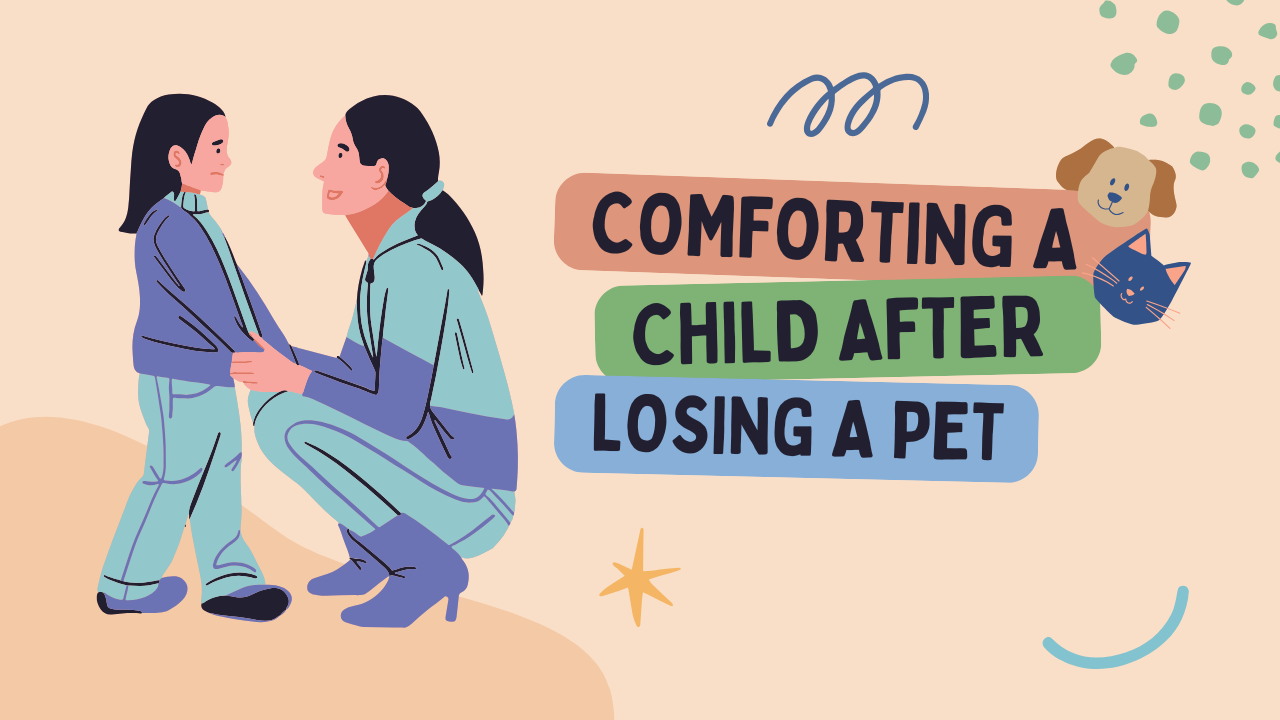
Losing a pet can be absolutely heartbreaking—especially for a child. For many kids, a pet isn’t “just an animal.” They are a best friend, a playmate, a confidant, a comfort on hard days, and sometimes the very first being they’ve ever loved deeply. When that bond is broken, the grief can feel confusing, overwhelming, and deeply painful.
As adults, we often want to rush in and fix the sadness. We want to say the right thing, dry the tears, and help our child feel better as quickly as possible. But grief—especially a child’s grief—doesn’t work on a timeline. And it doesn’t need to be fixed. It needs to be felt, understood, and supported.
If you’re reading this because a child in your life has lost a pet, first take a breath. You don’t have to handle this perfectly. What matters most is that your child feels safe, heard, and loved while they navigate their feelings.
This guide will walk you through how children experience pet loss, what grief may look like at different ages, what to say (and what not to say), and gentle ways to help your child heal—at their own pace.
Why Losing a Pet Hurts So Much for Children
For many children, a pet represents unconditional love. Pets don’t judge. They don’t argue. They don’t get disappointed. They’re just there—every day, tail wagging or purring, offering comfort without words.
For a child, a pet may be:
-
Their first friend
-
A constant companion during lonely moments
-
A source of emotional regulation and comfort
-
A daily routine and responsibility
-
Their first experience with death and loss
When a pet dies, it may be the first time a child realizes that love can end in loss. That realization alone can be overwhelming.
Children don’t yet have the emotional tools adults have to understand permanence, death, or grief. So instead of expressing sadness with words, they may show it in unexpected ways—through behavior, questions, fears, or even silence.
How Children Understand Death at Different Ages
Understanding how children perceive death can help you respond with empathy instead of confusion or frustration.
Toddlers and Preschoolers (Ages 2–5)
Young children often don’t understand that death is permanent. They may believe the pet will come back or wake up later.
You might notice:
-
Repeated questions like “When is our dog coming home?”
-
Confusion about where the pet went
-
Reenacting the death through play
-
Sudden emotional outbursts or clinginess
At this age, children need simple, honest explanations using clear language. Avoid euphemisms like “went to sleep,” which can create fear around bedtime.
Early Elementary Age (Ages 6–8)
Children begin to understand that death is permanent, but they may not fully grasp that it happens to everyone.
You might notice:
-
Sadness mixed with curiosity
-
Questions about what happens after death
-
Guilt or magical thinking (“Did I cause this?”)
-
Mood swings or trouble concentrating
Reassurance is key at this age—especially reassurance that they are not to blame.
Older Children and Preteens (Ages 9–12)
Children have a more mature understanding of death and may grieve similarly to adults, though they may hide it.
You might notice:
-
Deep sadness or withdrawal
-
Fear of losing others
-
Anger or irritability
-
Wanting privacy with their grief
At this stage, children benefit from open conversations and being included in memorials or decisions.
What Grief May Look Like in Children
Grief doesn’t always look like crying quietly in a bedroom. Children grieve in waves, often moving in and out of sadness quickly.
Some common signs include:
-
Crying or emotional outbursts
-
Anger or irritability
-
Regression (bedwetting, baby talk, needing extra reassurance)
-
Changes in sleep or appetite
-
Difficulty focusing at school
-
Seeming “fine” one moment and devastated the next
All of these responses are normal.
One of the most important things to remember is that grief is not linear. A child may seem okay for weeks and then suddenly become upset when something reminds them of their pet.
What to Say to a Child Who Has Lost a Pet
Many adults worry about saying the wrong thing. The truth is, there is no perfect script—but honesty, simplicity, and compassion go a long way.
Helpful Things to Say
-
“I know how much you loved [pet’s name]. It’s okay to be really sad.”
-
“I feel sad too. We loved them very much.”
-
“You didn’t do anything wrong. This wasn’t your fault.”
-
“It’s okay to miss them as much as you want.”
-
“We can talk about them whenever you want.”
These statements validate feelings and open the door for conversation.
Things to Avoid Saying
-
“They’re in a better place” (can feel dismissive or confusing)
-
“At least they’re not suffering” (minimizes grief)
-
“You can get another pet” (suggests replacement)
-
“Don’t cry” or “Be strong” (discourages emotional expression)
Your child doesn’t need you to make the pain disappear. They need you to acknowledge it.
The Power of Letting a Child Grieve
As adults, we sometimes rush children through grief because it’s uncomfortable to witness. But allowing a child to grieve teaches them something incredibly important: their feelings matter.
When you let your child cry, talk, remember, and even repeat the same stories or questions, you’re helping them process loss in a healthy way.
Grief that is acknowledged is grief that can heal.
Comforting Your Child in Practical, Loving Ways
1. Create Space for Feelings
Let your child know they can talk about their pet anytime. You might say:
-
“I noticed you seem sad today. Want to talk about [pet’s name]?”
-
“Do you want to tell me your favorite memory with them?”
Even if they don’t respond right away, the invitation matters.
2. Keep Routines When Possible
Grief can feel chaotic. Maintaining familiar routines—mealtimes, school, bedtime—helps children feel safe and grounded.
That doesn’t mean ignoring emotions; it means providing structure while offering support.
3. Encourage Expression Through Play or Art
Children often process grief through creative outlets:
-
Drawing pictures of their pet
-
Writing a letter to their pet
-
Creating a memory box
-
Playing with stuffed animals
These activities allow children to express feelings they may not yet have words for.
4. Read Books About Pet Loss Together
Children’s books can normalize grief and spark conversation. Reading together also provides comfort and closeness.
Choose books appropriate for your child’s age and emotional level.
5. Allow Tears—Yours and Theirs
If you’re grieving too, it’s okay for your child to see that. It teaches them that sadness is part of love.
You might say:
-
“I’m crying because I miss them too.”
-
“It’s okay for both of us to feel sad.”
This models healthy emotional expression.
Memorializing a Beloved Pet
Creating a ritual or memorial can be incredibly healing for children. It gives them a sense of closure and a way to honor the bond they shared.
Some gentle ideas include:
-
Planting a flower or tree in the pet’s memory
-
Creating a scrapbook or photo album
-
Holding a small family ceremony
-
Writing goodbye letters
-
Framing a favorite photo
Let your child help choose what feels meaningful to them.
When Grief Looks Like Anger or Fear
Sometimes grief doesn’t look like sadness—it looks like anger, anxiety, or fear.
A child may:
-
Become afraid of other loved ones dying
-
Act out or become easily frustrated
-
Refuse to talk about the pet at all
These reactions are often rooted in fear and confusion. Reassure your child often:
-
“You are safe.”
-
“I’m here with you.”
-
“We will get through this together.”
Answering Big Questions About Death
After losing a pet, children may ask deep questions:
-
“Will you die someday?”
-
“Where do pets go when they die?”
-
“Why does death happen?”
You don’t need all the answers. It’s okay to say:
-
“That’s a really good question.”
-
“People believe different things.”
-
“I don’t know for sure, but I do know we loved them.”
Honest uncertainty is better than false certainty.
Should You Get Another Pet Right Away?
This is a deeply personal decision, but it’s important not to rush.
A new pet should never be framed as a replacement. Give your child time to grieve and express readiness. When the time is right, a new pet can become a new relationship—not a substitute for the one that was lost.
When to Seek Additional Support
Most children grieve in healthy ways with time and support. However, consider reaching out to a counselor if:
-
Your child’s grief is interfering with daily life for an extended period
-
They show signs of severe anxiety or depression
-
They withdraw completely or show prolonged behavioral changes
Professional support can provide tools and reassurance—for both you and your child
A Final Word to Parents and Caregivers
Helping a child through the loss of a pet is hard because it forces us to sit with their pain—and our own. But it’s also an opportunity to teach empathy, resilience, and emotional honesty.
By showing up, listening, and allowing space for grief, you’re teaching your child something powerful: love matters, even when it hurts.
The sadness will soften. The memories will become warmer than painful. And one day, your child will look back and remember not just the pet they loved—but the comfort they received when they needed it most.
And that matters more than getting every word exactly right.
Books for Children Grieving Pet Loss
-
The Invisible Leash: An Invisible String Story About the Loss of a Pet – A beautifully simple story about the invisible bond of love that stays with us even after a pet is gone, reassuring children that connection doesn’t end with death.
-
I Miss My Pet: A First Look at the Death of a Pet – Written in clear, gentle language, this book helps younger kids understand and talk about the sadness of losing a pet and the first steps of healing.
-
When a Pet Dies – Based on the classic Fred Rogers approach, this book guides children through common feelings after pet loss and reassures them that grief is a natural response.
-
Dog Heaven: A Book of Hope for Children Who Have Lost Their Pet – A comforting story that imagines a joyful place for pets after they die, helping children find peace and hope around loss. Mental Health Center Kids
-
Remembering My Pet: A Kid’s Own Spiritual Workbook for When a Pet Dies – A more interactive choice that lets children draw, reflect, and write about memories, helping them express grief in a personal and healing way.


